The Internal Quality Assurance Cell conducted a series of training and capacity-building programmes for administrative staff and Departmental IQAC Coordinators to strengthen institutional quality processes and build capacity across the University. The programmes addressed key areas of quality enhancement, including AQAR metrics, NAAC documentation, strategic planning, national and international ranking frameworks, and institutional perception and communication. Delivered across campuses through offline, online and hybrid modes, these initiatives facilitated continuous learning and strengthened the effective implementation of quality processes at the departmental and institutional levels.
Date: 24 September 2026
Time: 11:00 AM – 1:00 PM
Venue: Council Room, Central Block, Bengaluru Central Campus
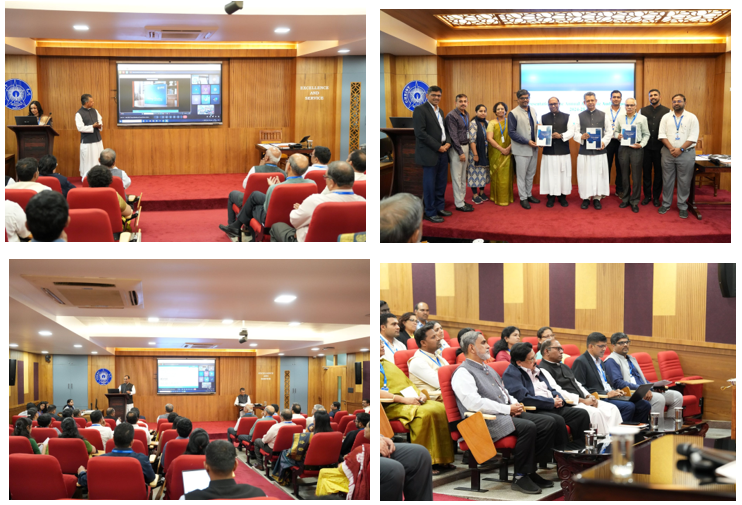
The Internal Quality Assurance Cell (IQAC) organised a workshop titled “The Art of Perception: Shaping Institutional Perception through Strategic Communication & Rankings” on 24 September 2026 at the Bengaluru Central Campus, as part of its Training and Development initiatives. The workshop, led by Mr Prasad Karat, Vice President, The PRactice, focused on the role of strategic communication in shaping institutional perception and strengthening digital visibility. The session explored effective content planning, platform-specific communication, responsible use of AI tools, authentic storytelling, and the importance of communicating academic, research, student, community engagement and institutional achievements in alignment with the University's mission, vision and core values.
The second session led by the IQAC team, focused on rankings, accreditation, academic audits and institutional preparedness. It highlighted the importance of advance planning, systematic documentation and maintaining accessible evidence to support ranking and accreditation requirements. The session also emphasised the role of updated departmental webpages and organised repositories in providing public evidence of academic and research achievements, collaborations, student initiatives, community engagement, awards, placements and SDG-related activities.
The workshop brought together School/Campus IQAC Coordinators, Department IQAC Coordinators, administrative staff and staff from various University offices. It reinforced the importance of combining strategic communication with systematic documentation to enhance institutional visibility, transparency and preparedness for quality assurance, rankings and accreditation processes.
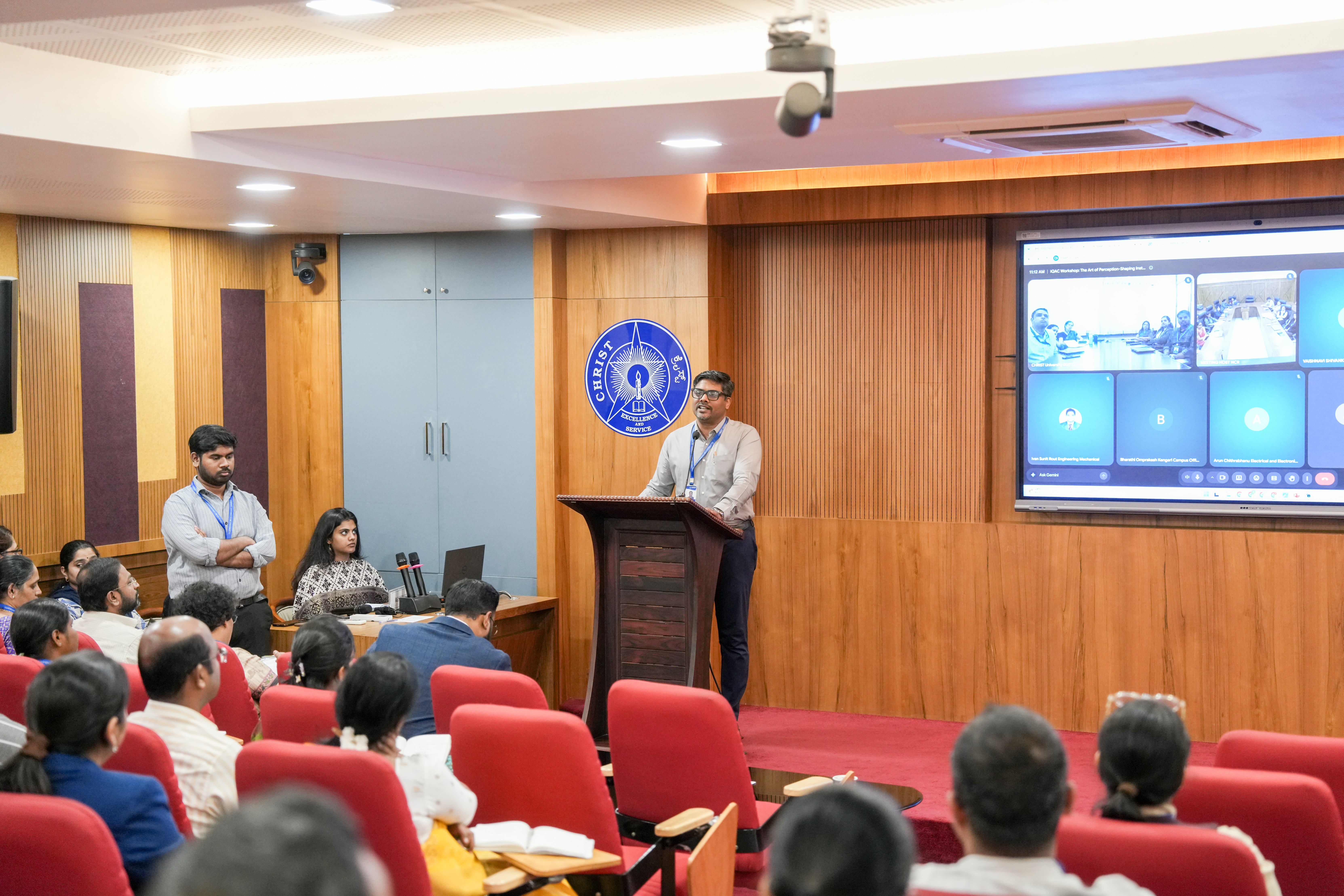
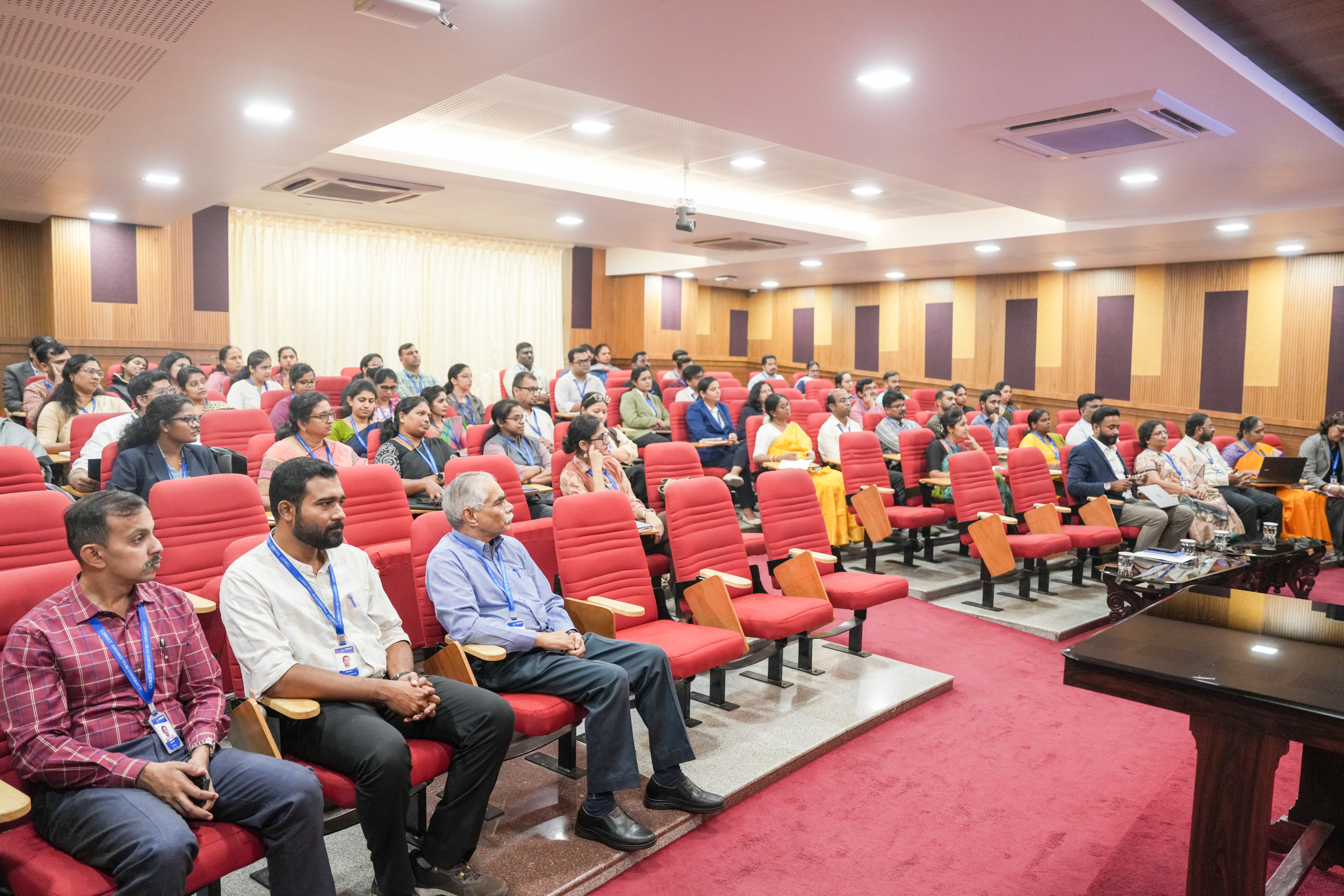
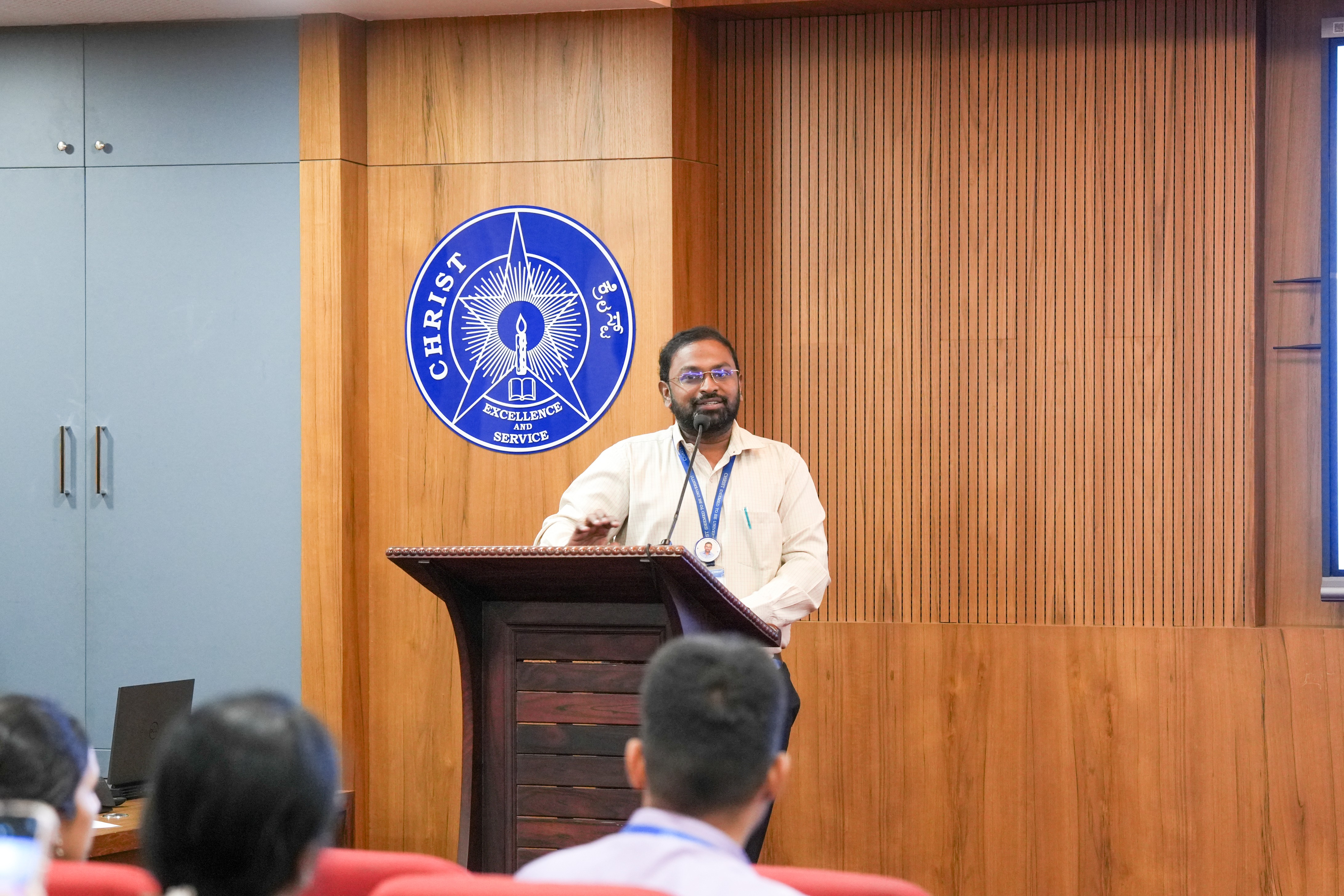
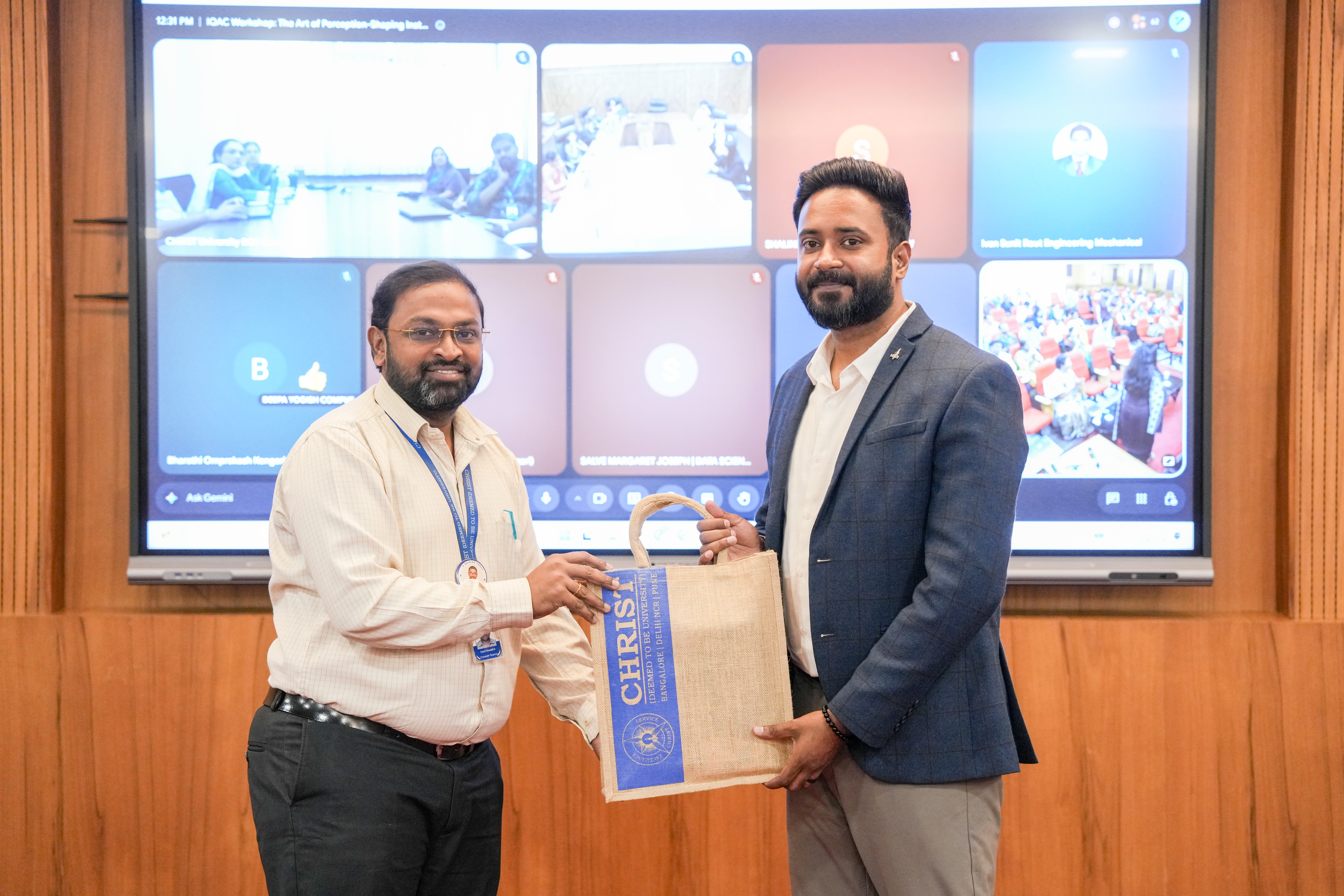
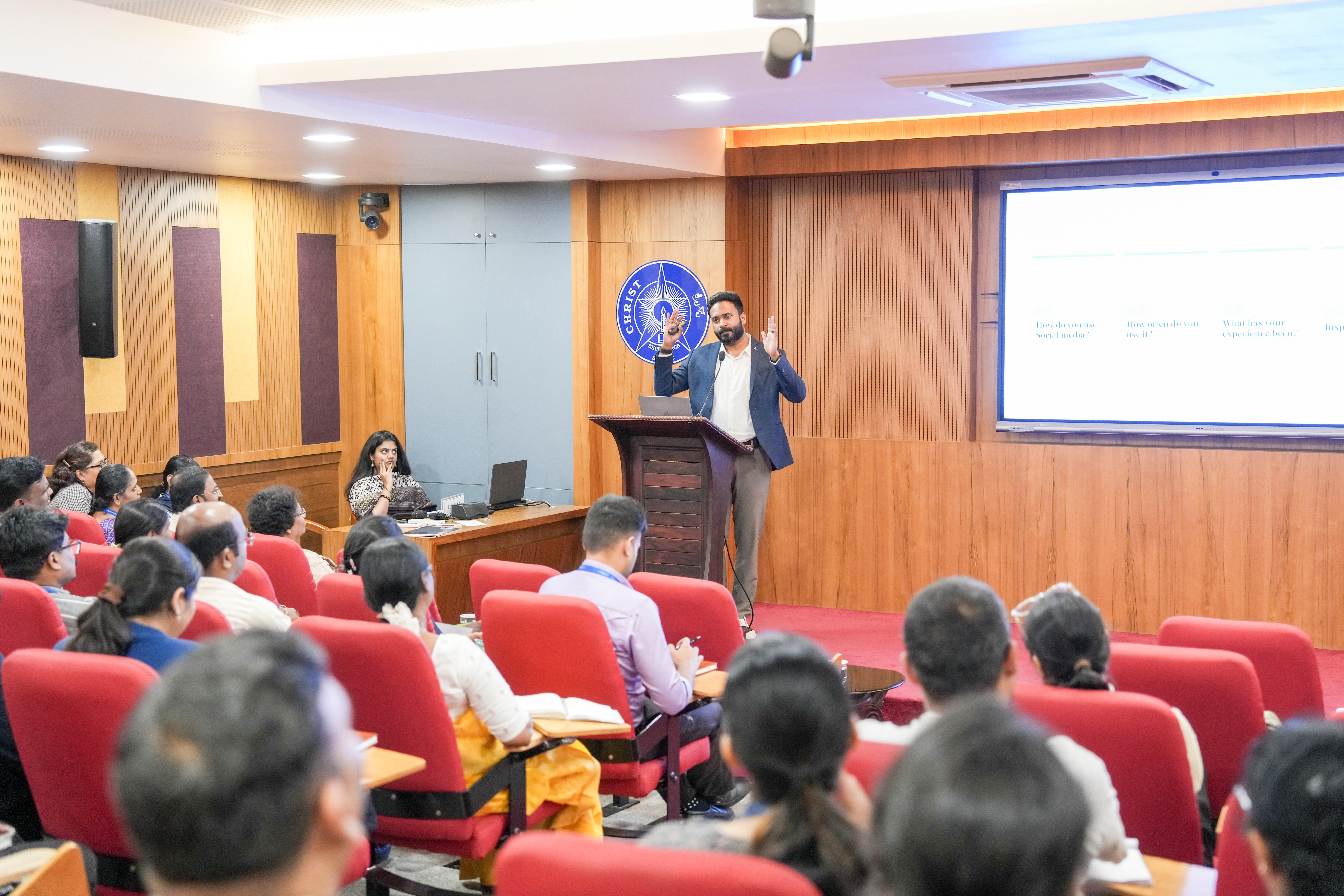
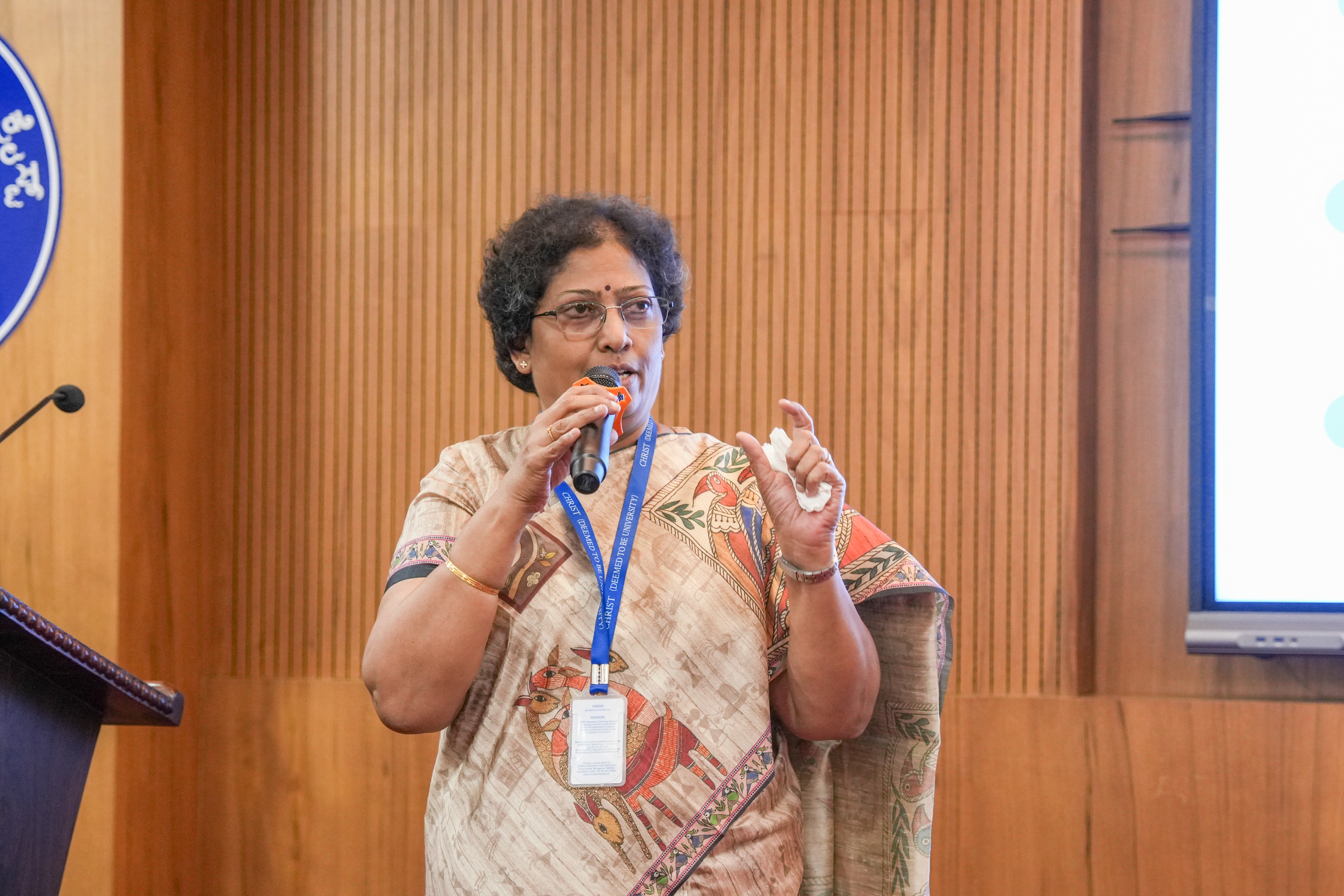
Training sessions began with a strong focus on AQAR metrics, conducted across Central, Kengeri, Bannerghatta, and extended campuses, covering both administrative staff and departmental coordinators.
The focus expanded to documentation, rankings, NAAC reporting formats, and strategic planning, with specialised sessions delivered in hybrid and online modes to ensure cross-campus participation.
Programmes addressed national rankings and digital tools, including campus-specific training initiatives to enhance administrative efficiency and reporting practices.
A concluding session on the Revised NAAC Manual was conducted for all campuses, ensuring alignment with updated accreditation requirements.
Overall, these initiatives enhanced awareness, improved coordination, and strengthened the effective implementation of quality assurance practices across the University.


Date: Date: 19 August 2025
Members Present
Members and invitees were present as per the attendance list.
The Vice Chancellor welcomed the members and highlighted the University's recent achievements in research, rankings, awards, international alumni engagement, and other institutional initiatives.
The Council considered and approved the minutes of the 36th IQAC Council Meeting held on 12 April 2025. The Action Taken Report was also considered, with discussions focusing on initiatives to strengthen interdisciplinary research, including research internships, conference travel grants, postdoctoral fellowships, interdisciplinary research grants, enhanced PhD fellowships, revised research incentives, seed funding, SDG-aligned research, and collaborative initiatives with ISRO.
The Council reviewed the University's performance in national and international rankings and awards. The discussion covered QS World Rankings, WURI Rankings, Times Higher Education Impact Rankings, India Today Best Universities Rankings, and the Economic Times Education Excellence Awards.
The planned activities of IQAC for the academic year 2025–26 were presented under five verticals: Rankings & Awards, Training & Development, Documentation & Audits, Publications, and Strategic Initiatives. Key activities included training programmes for IQAC Coordinators, Heads of Departments and administrative staff; mentoring an external institution; organising a Registrar's Conference and National Seminar; participation in approved ranking frameworks; academic and various institutional audits; publication of the Administrative Manual, Annual Report, Coffee Table Book and IQAC Activity Report; and strategic initiatives aligned with the identified pillars of institutional development.
The Council deliberated on advancing industry-aligned educational processes. Suggestions included developing curricula, training and internships around specific industrial sectors, strengthening industry partnerships, integrating Artificial Intelligence across disciplines, providing faculty training in AI, and developing AI-based modules. The Vice Chancellor informed the Council that a faculty awareness survey on AI would be conducted and that a foundational AI course for students across disciplines would be introduced from the following academic year.
The Council further discussed the skills required for the future of higher education in India. The discussion emphasised reskilling and upskilling in response to technological developments, particularly AI, along with critical thinking, communication, collaboration, innovation, adaptability, faculty development, curriculum reform, project-based learning, internationalisation and digital infrastructure. The importance of ensuring AI competence and future-ready skills among graduates was highlighted.
The Council discussed employability initiatives, employee training in AI, ethical AI practices, and the University's continuing efforts to strengthen international alumni engagement. The meeting concluded with expressions of gratitude from the Director of IQAC and the Chairperson, who appreciated the contributions of the Council members and the collective commitment towards quality enhancement.
Date: Date: 1 December 2025
Members Present
Members and invitees were present as per the attendance list.
The 38th Meeting of the IQAC Council reviewed the University's progress in quality enhancement, institutional development, and strategic initiatives. The Council deliberated on the integration of Artificial Intelligence (AI) across teaching, learning, research, and administrative processes, as well as initiatives aimed at strengthening career and life skills among students to enhance employability and future readiness.
The Council reviewed the University's performance in national and international rankings and acknowledged the coordinated efforts undertaken to strengthen institutional visibility and benchmarking. Members also noted the release of key IQAC publications, including the University Coffee Table Book 2025 and the Administrative Manual, which contribute to institutional documentation and administrative effectiveness.
Significant attention was given to sustainability and environmental stewardship through the presentation of the Green Audit Report. The findings highlighted the University's achievements in waste management, sustainability initiatives, and SDG integration, while providing recommendations for further strengthening environmental performance and resource management.
The Council also reviewed the outcomes of the Annual Academic Audit 2024–25 and the second-year review of the University Strategic Plan (2023–26). The discussions highlighted improvements in curriculum delivery, teaching-learning processes, research, student support, and quality initiatives across campuses. The review further identified opportunities for growth in research excellence, innovation, entrepreneurship, and global engagement.
The meeting reaffirmed the University's commitment to academic excellence, sustainability, innovation, quality assurance, and continuous institutional improvement. Members appreciated the collaborative efforts of stakeholders across campuses and encouraged the continued pursuit of transformative initiatives that contribute to the University's academic and societal impact.
Date: 12 - 12 - 2022
Date: 06 - 09 - 2022
The Internal Quality Assurance Cell conducted a series of training and capacity-building programmes for administrative staff and Departmental IQAC Coordinators to strengthen institutional quality processes and build capacity across the University. The programmes addressed key areas of quality enhancement, including AQAR metrics, NAAC documentation, strategic planning, national and international ranking frameworks, and institutional perception and communication. Delivered across campuses through offline, online and hybrid modes, these initiatives facilitated continuous learning and strengthened the effective implementation of quality processes at the departmental and institutional levels. Date: 24 September 2026 Time: 11:00 AM – 1:00 PM Venue: Council Room, Central Block, Bengaluru Central Campus The Internal Quality Assurance Cell (IQAC) organised a workshop titled “The Art of Perception: Shaping Institutional Perception through Strategic Communication & Rankings” on 24 September 2026 at the Bengaluru Central Campus, as part of its Training and Development initiatives. The workshop, led by Mr Prasad Karat, Vice President, The PRactice, focused on the role of strategic communication in shaping institutional perception and strengthening digital visibility. The session explored effective content planning, platform-specific communication, responsible use of AI tools, authentic storytelling, and the importance of communicating academic, research, student, community engagement and institutional achievements in alignment with the University's mission, vision and core values. The second session led by the IQAC team, focused on rankings, accreditation, academic audits and institutional preparedness. It highlighted the importance of advance planning, systematic documentation and maintaining accessible evidence to support ranking and accreditation requirements. The session also emphasised the role of updated departmental webpages and organised repositories in providing public evidence of academic and research achievements, collaborations, student initiatives, community engagement, awards, placements and SDG-related activities. The workshop brought together School/Campus IQAC Coordinators, Department IQAC Coordinators, administrative staff and staff from various University offices. It reinforced the importance of combining strategic communication with systematic documentation to enhance institutional visibility, transparency and preparedness for quality assurance, rankings and accreditation processes. Training sessions began with a strong focus on AQAR metrics, conducted across Central, Kengeri, Bannerghatta, and extended campuses, covering both administrative staff and departmental coordinators. The focus expanded to documentation, rankings, NAAC reporting formats, and strategic planning, with specialised sessions delivered in hybrid and online modes to ensure cross-campus participation. Programmes addressed national rankings and digital tools, including campus-specific training initiatives to enhance administrative efficiency and reporting practices. A concluding session on the Revised NAAC Manual was conducted for all campuses, ensuring alignment with updated accreditation requirements. Overall, these initiatives enhanced awareness, improved coordination, and strengthened the effective implementation of quality assurance practices across the University. Date: Date: 19 August 2025 Members Present Members and invitees were present as per the attendance list. The Vice Chancellor welcomed the members and highlighted the University's recent achievements in research, rankings, awards, international alumni engagement, and other institutional initiatives. The Council considered and approved the minutes of the 36th IQAC Council Meeting held on 12 April 2025. The Action Taken Report was also considered, with discussions focusing on initiatives to strengthen interdisciplinary research, including research internships, conference travel grants, postdoctoral fellowships, interdisciplinary research grants, enhanced PhD fellowships, revised research incentives, seed funding, SDG-aligned research, and collaborative initiatives with ISRO. The Council reviewed the University's performance in national and international rankings and awards. The discussion covered QS World Rankings, WURI Rankings, Times Higher Education Impact Rankings, India Today Best Universities Rankings, and the Economic Times Education Excellence Awards. The planned activities of IQAC for the academic year 2025–26 were presented under five verticals: Rankings & Awards, Training & Development, Documentation & Audits, Publications, and Strategic Initiatives. Key activities included training programmes for IQAC Coordinators, Heads of Departments and administrative staff; mentoring an external institution; organising a Registrar's Conference and National Seminar; participation in approved ranking frameworks; academic and various institutional audits; publication of the Administrative Manual, Annual Report, Coffee Table Book and IQAC Activity Report; and strategic initiatives aligned with the identified pillars of institutional development. The Council deliberated on advancing industry-aligned educational processes. Suggestions included developing curricula, training and internships around specific industrial sectors, strengthening industry partnerships, integrating Artificial Intelligence across disciplines, providing faculty training in AI, and developing AI-based modules. The Vice Chancellor informed the Council that a faculty awareness survey on AI would be conducted and that a foundational AI course for students across disciplines would be introduced from the following academic year. The Council further discussed the skills required for the future of higher education in India. The discussion emphasised reskilling and upskilling in response to technological developments, particularly AI, along with critical thinking, communication, collaboration, innovation, adaptability, faculty development, curriculum reform, project-based learning, internationalisation and digital infrastructure. The importance of ensuring AI competence and future-ready skills among graduates was highlighted. The Council discussed employability initiatives, employee training in AI, ethical AI practices, and the University's continuing efforts to strengthen international alumni engagement. The meeting concluded with expressions of gratitude from the Director of IQAC and the Chairperson, who appreciated the contributions of the Council members and the collective commitment towards quality enhancement. Date: Date: 1 December 2025 Members Present Members and invitees were present as per the attendance list. The 38th Meeting of the IQAC Council reviewed the University's progress in quality enhancement, institutional development, and strategic initiatives. The Council deliberated on the integration of Artificial Intelligence (AI) across teaching, learning, research, and administrative processes, as well as initiatives aimed at strengthening career and life skills among students to enhance employability and future readiness. The Council reviewed the University's performance in national and international rankings and acknowledged the coordinated efforts undertaken to strengthen institutional visibility and benchmarking. Members also noted the release of key IQAC publications, including the University Coffee Table Book 2025 and the Administrative Manual, which contribute to institutional documentation and administrative effectiveness. Significant attention was given to sustainability and environmental stewardship through the presentation of the Green Audit Report. The findings highlighted the University's achievements in waste management, sustainability initiatives, and SDG integration, while providing recommendations for further strengthening environmental performance and resource management. The Council also reviewed the outcomes of the Annual Academic Audit 2024–25 and the second-year review of the University Strategic Plan (2023–26). The discussions highlighted improvements in curriculum delivery, teaching-learning processes, research, student support, and quality initiatives across campuses. The review further identified opportunities for growth in research excellence, innovation, entrepreneurship, and global engagement. The meeting reaffirmed the University's commitment to academic excellence, sustainability, innovation, quality assurance, and continuous institutional improvement. Members appreciated the collaborative efforts of stakeholders across campuses and encouraged the continued pursuit of transformative initiatives that contribute to the University's academic and societal impact. Date: 12 - 12 - 2022 Date: 06 - 09 - 2022IQAC Training and Workshops
Odd/Even Semester Trainings
September 2026
The Art of Perception: Shaping Institutional Perception through Strategic Communication & Rankings
June 2026
July 2026
August 2026
September 2026
June–July 2025:
August–September 2025:
October–November 2025:
January 2026::
37th IQAC Council Meeting
Agenda
38th IQAC Council Meeting
Agenda
Summary
IQAC Council Meeting
IQAC Council Meeting


